
Dear Gardening Friends,
This is my first monthly email gardening newsletter! The gardening quote that I have picked for this month sets the tone for what to expect. I am a hardy gardener who loves to grow as many plants as I can in my Zone 6 to 7 USDA hardiness garden at Northview in Ambler, Pennsylvania. I am a hands-on gardener myself and love to share what I have learned from personal experience, plus tips that I think are good from other people. I will share photos taken in my garden and on my gardening travels.

I am sending this newsletter out to people who have specifically signed up for this email and to other people who I think may be interested in receiving it. There is an unsubscribe button at the bottom of the email if you do not want to get further editions (I will not be offended).
In these newsletters I will share some plants that I enjoy for this time of year, a gardening quote, a book that I recommend, a link to my blog, and my new podcast. The blog has the photos, and the podcast allows you to listen to me reading it. This podcast is about 7 and a half minutes long.
Here is a link to the JoeGardener podcast number 269—The Ultimate Guide to Flower Growing.
Here is the link to the GardenDC podcast hosted by Kathy Jentz where she interviewed me about my new book and about growing flowers. Episode 111—Flower Combinations.

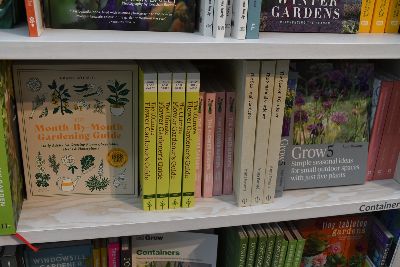
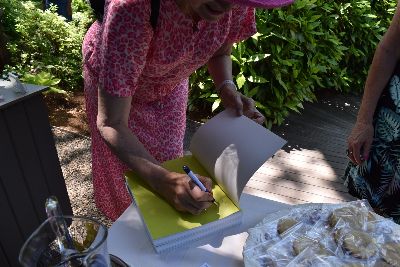
Out Now: The Ultimate Flower Gardener’s Guide!
I am excited to announce that my new book The Ultimate Flower Gardener’s Guide is now out. It is a true pandemic book that was written in relative isolation. All my plans for photographing gardens as I traveled around and gave lectures came to nothing as everything went onto Zoom. Consequently, many of the photos had to be taken in my garden at Northview, with some photos taken elsewhere that are listed in the back of the book.

In the book I explain how to start with your own flower garden wish list. This might be a long list initially, but as you read the book you will refine the list by adding and subtracting names. The amended wish list will be the ones that you truly love. It will be those that add to the varied seasonal beauty in your bed or container, and also thrive in your climate and soils. The second chapter continues the seasonal theme by breaking up the gardening year into naturally occurring flowering peak times. Go to this section if your flowery show is less floriferous than you would like at a certain time of year.
By the time that you have finished the book you will have a working knowledge of most of the commonly grown garden flowers and be able to pick out those that you need to add to your flower garden or be so excited that you will have to start a whole new flower garden or container cluster.
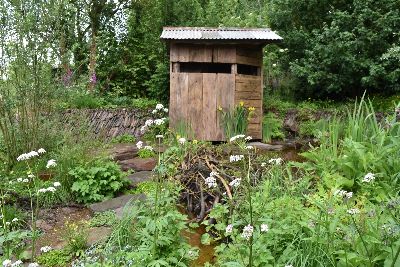
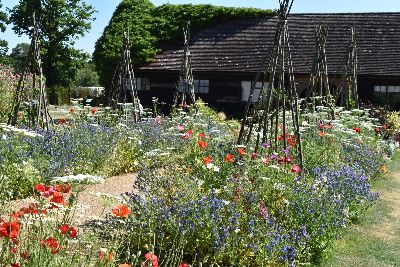
Wild, Wild Gardens

| Gardeners have been debating what is meant by the term “wild garden” ever since William Robinson published his influential book titled The Wild Garden in 1870. Maybe gardeners were pondering it before then but Robinson’s book opened the floodgates of dissent. The opposing faction was led by architect Reginald Blomfield who loved the prevailing formal garden style with symmetry and straight lines. Heated arguments ensued and the public took sides. Image: Great Dixter Long Border |
After traveling to gardens across the world, I have a lot of thoughts to share with you all! You can read the entire blog post on my website or listen to me read the same post aloud.
Next month we will continue this wildness theme with a discussion of my favorite self-sowing plants and how to grow them.
In the Garden: August Stand Outs

Zinnia – Zinnia elegans
This heat-beating annual plant thrives when temperatures soar. The ancestors of our garden plants come from the American south-west, down into Mexico, and Central America. The cheerful colors are beloved by a wide range of pollinators and also by gardeners. They are great in the garden and as a cut flower.
While they tend to be classed as “cheap and cheerful,” with all the negative connotations that come with that term, I wouldn’t garden without them. Start as seeds sown in place after the soil has warmed, or buy small plants in spring.
Anise Hyssop – Agastache foeniculum
This easy-care perennial is another pollinator favorite. It has upright spikes containing a cluster of small, purply-blue flowers. The common name comes from the anise-scented foliage that is pleasant to us but deters deer and rabbits from browsing.

While some of the agastaches, sometimes called hummingbird mints, are tricky to grow in damp or humid climates, this one seems to adapt to sun or shade, and wet or dry soils. For me it acts like a short-lived perennial, but that has not been a problem as it gently seeds around the garden and renews itself.

Crocosmia – Crocosmia
If you are looking for a plant that comes into its own in late summer, try crocosmia. Depending on where you live, this may be a perennial or a tender perennial. Grow these plants from corms or purchase plants. The corms can be dug up at the end of the season and kept in a frost-free area until they are replanted next spring if you garden in a cold zone.
Their chief selling point is their linear foliage that is long lasting. Then come lovely sprays of red, orange, or yellow flowers that are loved by hummingbirds and butterflies. They are great in a fall flower bed mixed with the plethora of daisy-shaped flowers that bloom at this time of year. One of the hardiest cultivars, and one of the easiest to obtain, is the bright red flowered ‘Lucifer’.
If you want to see what plants are capturing my imagination and attentention at the time, follow my garden Instagram, Northview Garden.
Book Club: The Wild Garden
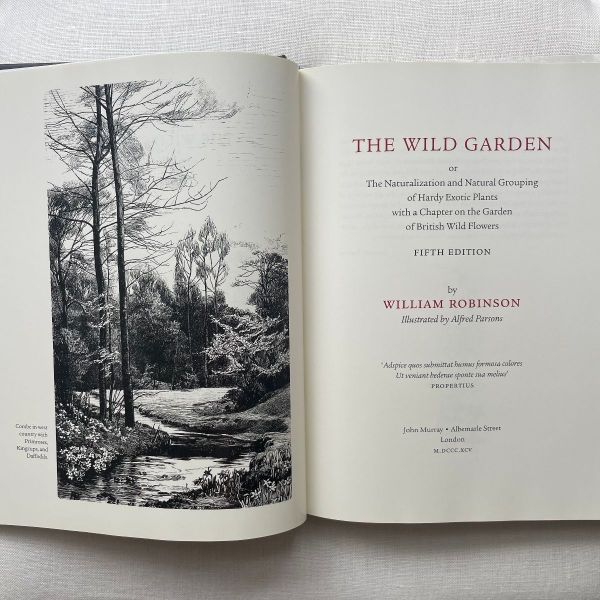
In keeping with the theme of wild gardens this month I would like to recommend a book published by Timber Press in 2009 called The Wild Garden. The well-respected plantsman and naturalist, Rick Darke, is listed as the co-author with William Robinson. It is a very well-produced and lovely version of Robinson’s book of the same title.

Darke has taken a reprint of Robinson’s 1895 fifth edition and combined it with an excellent section at the front that explains Robinson’s ideas with a contemporary gardening lens. Beautiful photographs, woodcuts from the original, and paintings from the time period accompany the well-written text. It is a pleasure to take the old and learn from it, and to realize where our current wild gardening obsession originates.
I particularly enjoy seeing the photographs of Gravetye Manor in Sussex, William Robinson’s home for many years. It was his gardening playground, the place where he tried out his ideas before writing about them. It is now a country house hotel with a talented head gardener, Tom Coward, who is bringing the flair and experimental nature back into the luscious gardens.
Check out their Instagram: @gravetyemanor.
If you like this newsletter, please tell your gardening friends about it. It is easy to subscribe by contacting me via my website.
If you would like to see photos of my garden at Northview and images of my garden travels, please follow me on Instagram @NorthviewGarden and @JennyRoseCarey
Bye for now,



Leave a Reply