
Dear Gardening Friends,
Somehow, here we are in March. To state the obvious, we are marching through the year! Sorry about that pun. There are days when I wake up and I can’t help but feeling goofy. I find that the increasing daylength and warmer temperatures do make me feel happy and maybe a little silly. I think that the birds and insects feel the same.

Everywhere in the garden there are signs of spring. So many flowers are beginning to bloom. The late winter and early spring flowers are decorating the garden and calling out to any insects that are flying by. For pollinators emerging from their winter hibernation or hatching from their eggs, these flowers are necessary for survival. The nectar and pollen hidden in snowdrops and rock garden iris are their Wawa corner stores. (If you are not from Philadelphia, “it’s a Philly thing.”)
If you don’t have many flowers out now it is time to plan for next year. Look around at gardens in your neighborhood and visit a public garden. Many of the early blooms are grown from bulbs planted last autumn. Also check out your local garden center. Maybe there is a little pot of flowers already in bloom that will have to come home with you and brighten up your week.
In the blog below you can find out what seeds we are excited about sowing this year. My Head Gardener, Hanna von Schlegell, tells you about her picks and why she is excited to grow them and then I share my selections. If you know me or follow me on Instagram, @northviewgarden and @jennyrosecarey, there will not be many surprises. (Hint: think pink!)
Enjoy this new gardening year. Just remember—do not start your inside seeds too early. They will get tall and leggy before the last frost rolls around. Spend the extra couple of weeks planning and dreaming about your upcoming garden.
News and Reviews
I have been on the road giving lectures and having a wonderful time meeting friends old and new. Thank you for inviting me to speak at your events and garden club meetings. It is an honor to be able to share my gardening experiences with you and learn from your insights.
Here are a couple of photos of recent lectures.
Gardeners of Rose Valley, PA.
This lecture was in the coolest building called “The Old Mill.” I was luckily seated to sign books by the lovely warm fireplace. I am sorry that I didn’t get a photo of the table with its insect houses and pollinator- and bee-themed decorations.

Frelinghuysen Arboretum, NJ.
I was so touched by the decorations at the Arboretum lecture. I walked in to find a fabulous pink tablecloth and pink flowers. Thanks to all who came out on that bitterly cold day.

Sowing the Seeds
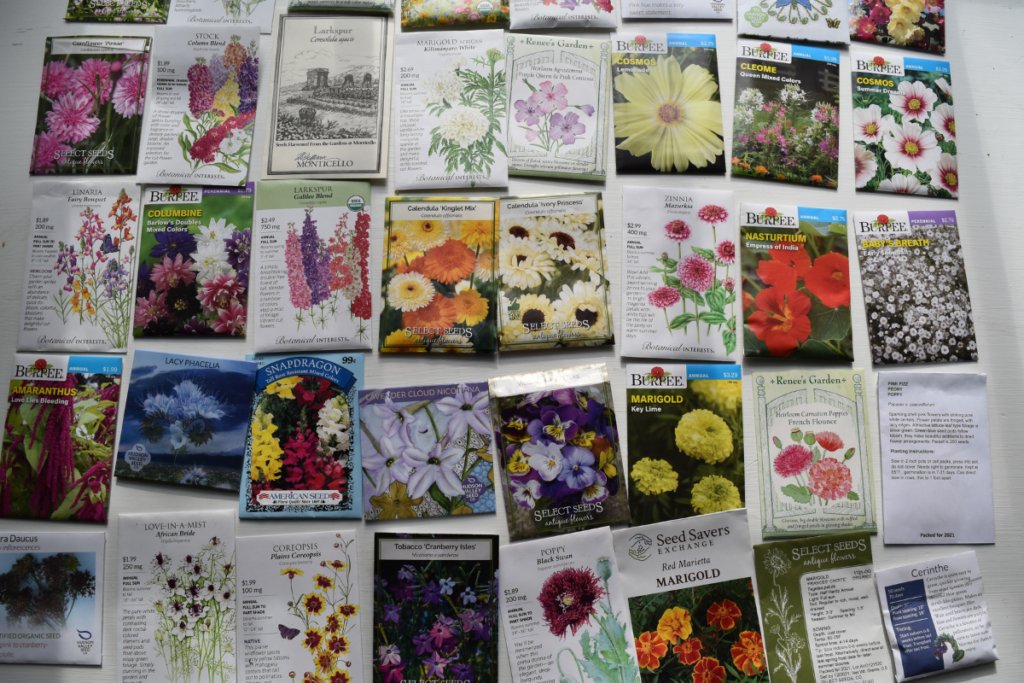
Seed sowing is one of the ultimate gardening pleasures. Tucking tiny brownish bundles of potential beauty beneath your potting soil is a lesson in hope and expectation.
My Head Gardener here at Northview Garden, Hanna von Schlegell, and I have a great time planning what we want to grow for the coming gardening season. There is some negotiation involved but we normally get to sow our favorites.
Star of the Garden
The plant star of the month is the little rock garden irises that are delighting the bees and me. A walk around the garden includes visits to the patches of different miniature irises that decorate various garden areas.
Rock garden iris are planted as bulbs in the fall. They are small bulbs, so they are easy to tuck into little nooks between stones, in troughs, or on a bank. Their crucial requirement is well-drained soil. The bed should be in a sunny location if you want the irises to survive and multiply in the coming years. A gravel mulch added to the surface of the soil increases drainage and shows off the late winter blooms. If you have heavy clay soil, or garden in a wet climate, pot up your iris bulbs in the autumn in shallow terracotta pots that are brought out of a protected spot in March. They will bloom a few weeks later and look fabulous on an outdoor table.
The old-fashioned miniature iris that my Granny grew in her garden in Kent, England, was a dark blue color with bright yellow in the middle of the falls. (The falls are the petals that bend down, and the standards are the three petals that unsurprisingly stand up.)
There are more cultivars available now and I have been collecting them for a few years. They all seem to perform well in my zone 6–7 garden here in Pennsylvania.
A few of my favorites are:
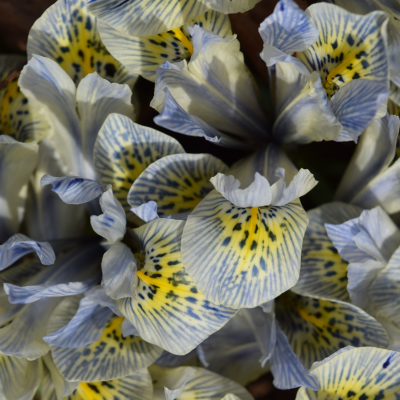
Iris ‘Katharine Hodgkin’ with its washed blue-gray petals and that characteristic yellow blaze in the center of what looks like a dragon’s tongue.
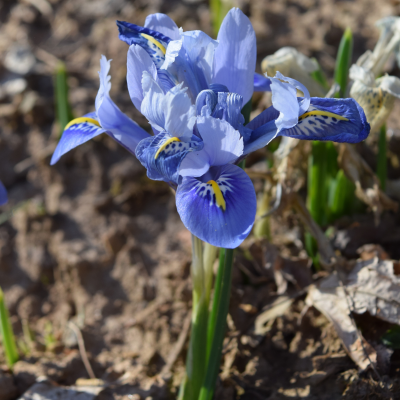
Iris ‘Cantab’, which is hard to find now but has been in my garden for eleven years either side of my redbud allee.
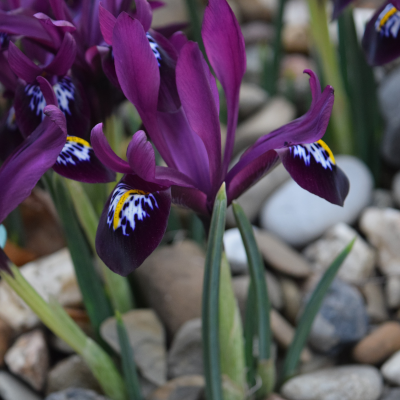
Iris ‘George’ has dark purple and yellow petals. They look fabulous when grown through a light-colored gravel.
Book Club : The Flower Garden
Day by Day
This month I am introducing you to one of my favorite gardeners from about a hundred years ago—Louisa Yeomans King. I will return to Louisa in future articles because she is one of my gardening heroines. This month I will give you a little introduction to her life and an invitation to delve into one of her lesser-known books.

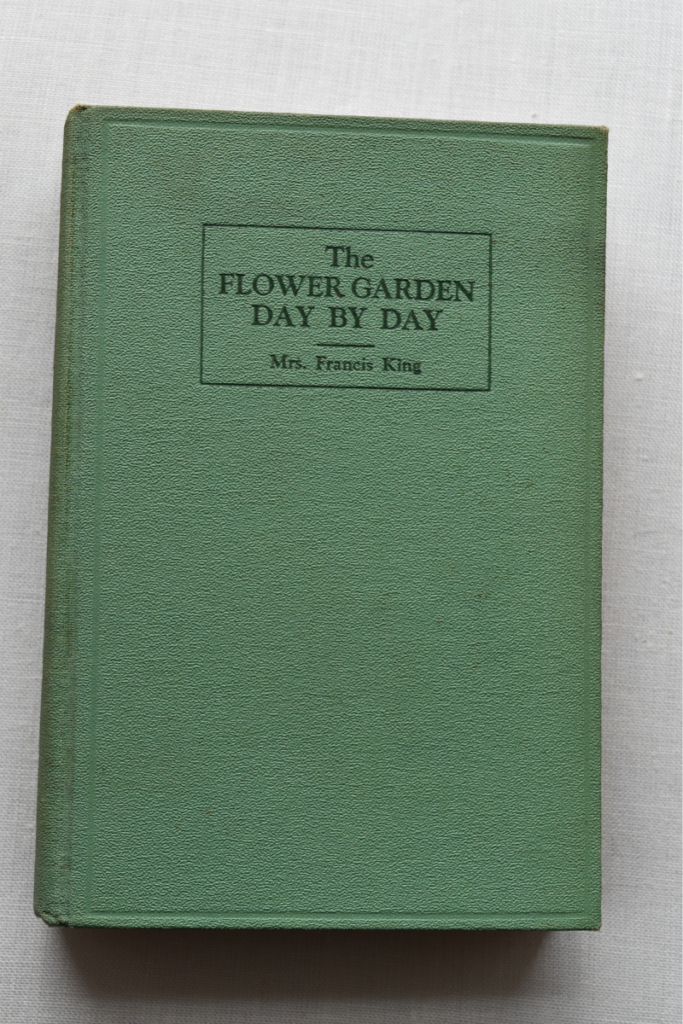
Louisa’s pen name was Mrs. Francis King. She was one of the premier gardening trendsetters of her era. She was a prolific writer of books and magazine articles for gardeners across the country. Louisa was also a national leader in several gardening organizations. She was founding President of the Woman’s Farm and Garden Association and Vice-President of the nascent Garden Club of America.
The Flower Garden Day by Day is a month-by-month and day-by-day guide to things to do in your flower garden. Louisa gardened in Michigan and New York State, so the timings are for cold-weather winters. Nonetheless, it is a snapshot of a gardening era when women were taking an interest in practical gardening and needed a guidebook that told them what to do to have a flower-filled garden.
Some of the instructions are obviously dated. Even the quote above makes you think of a bygone era when cold frames and hot beds were the norm. (Hot beds were filled with decaying manure to keep the seedlings warm.) But the underlying message is still one that is important today: don’t forget to label your seedlings. I am not sure that not labeling would “lead to confusion and disaster.” But it paints a pretty picture in my mind.
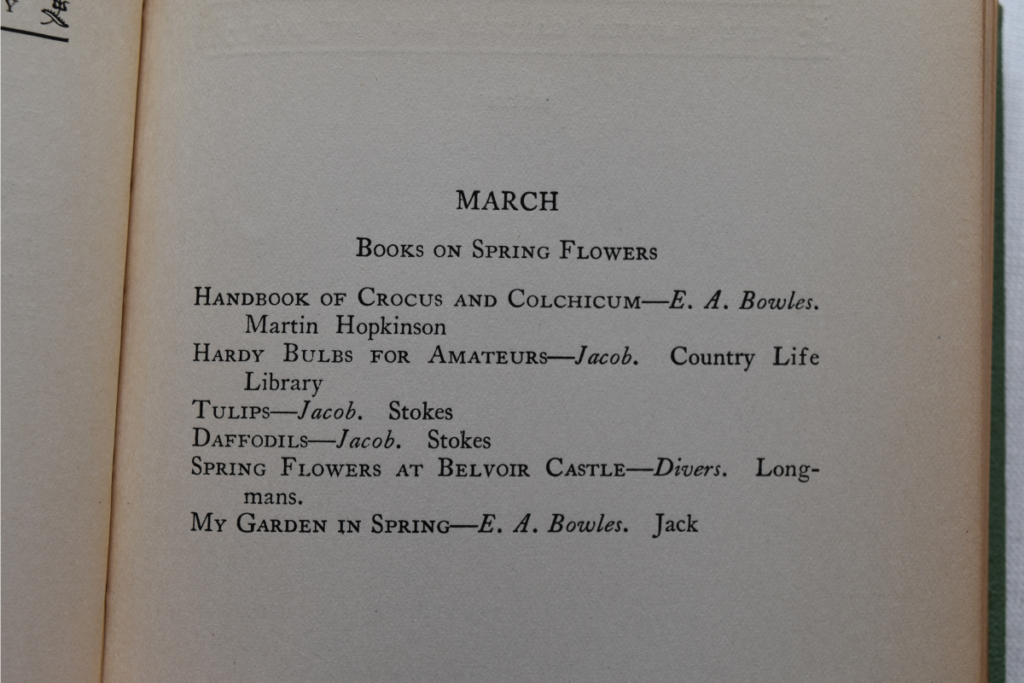

On a side note, I was asked at a recent lecture about how I label my garden plants. I have almost given up keeping labels in the ground outside. Somehow even deeply sunken labels seem to move or migrate, probably due to the “help” of squirrels and the movement of frost in the soil. This year we are moving to a new protocol of collecting the labels into a mason jar that is labeled for each area of the garden. We are adding the step for some beds of drawing plans to show plant locations. Any hints about keeping labels in the ground are gratefully accepted.
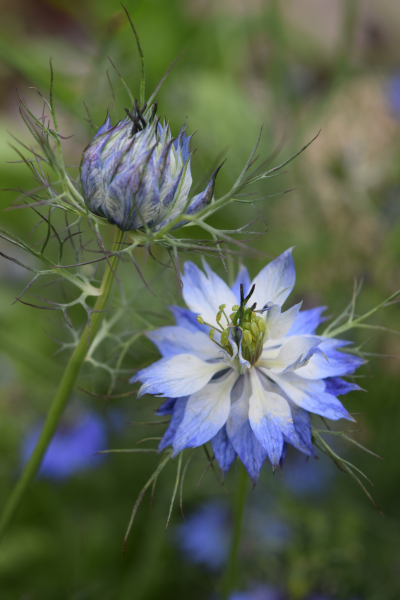
Other instructions make me laugh but I can also relate to them. From page 29: “February 19th. Nigella ‘Miss Jekyll’ is one of the nicest of the blue annuals, six packets of this seed are none too many for even a small garden.” I am just wondering how many packets of Nigella (Love-in-a-Mist) seed I ordered this year. As a historical note, the English garden writer who this flower is named after is Gertrude Jekyll. She was a friend and mentor to Louisa and wrote an introduction to one of her books.
Many of these old books are available at horticultural libraries, and some have been digitized and put online. It is fun to spend time looking at what our fellow gardeners were doing a century ago and to learn a few useful tidbits for your own gardening too.
Note: I am not sponsored to promote books found in these newsletters. They are featured because I truly love them.
If you like this newsletter, please tell your gardening friends about it. It is easy to subscribe by contacting me via my website.
If you would like to see photos of my garden at Northview and images of my garden travels, please follow me on Instagram @NorthviewGarden and @JennyRoseCarey
Bye for now,



Leave a Reply