
Dear Gardening Friends,
June is here. In some gardens this is the premier month of the gardening year, especially if you have a good rose display, or perennials paired with roses. It is certainly a great month to travel to see rose gardens. There are so many gorgeous ones to visit. See if you can find one near you. It is a perfect way to indulge your senses.
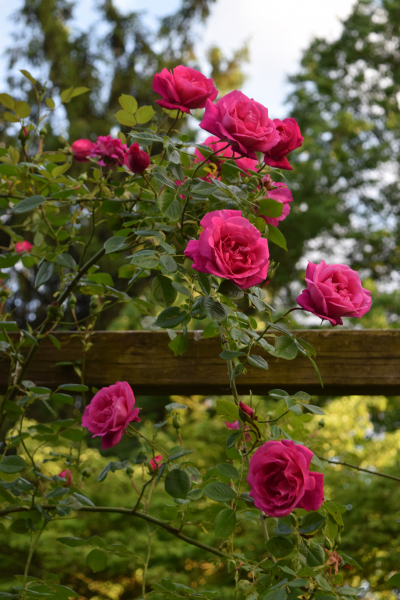
This month I am thinking about roses. In case you didn’t notice, it is my middle name and I feel an affinity towards them—apart from when, as yesterday, I backed into a thorny rose bush while weeding. Over the years I have grown many different rose types, but I keep coming back to the old ones. They only bloom once but it is a super bloom. The fragrance is amazing, and I particularly love the multi-petalled forms.
The old-fashioned roses have another benefit in that they finish flowering before our dreaded Japanese beetles emerge. If you are reading this from places where you do not have Japanese beetles (apart from Japan, where they are native) you do not want to bring them into your area. The adult beetles eat flowers and leaves, especially of those plants in the rose family. In this area they seem to have few natural predators, although maybe some birds eat them.
I am the largest predator of Japanese beetles in my garden. I knock the beetles into a jar of hot soapy water or vinegar. The best time to catch them is in the cool of the morning before they warm up and become active. The resulting concoction is an evil looking brew that smells worse after a couple of days in the sun. An old screw top peanut butter jar or equivalent works well to keep the odor confined.
I am not solely dwelling on the beetles and ignoring the roses. There are fun photos of beautiful roses below in the plant section.
I hope that you get to smell a real rose this summer, one that fills your soul with joy and amazement.
Photos From The Road
I hope that you saw some of my travel photos from England last month on Instagram (@jennyrosecarey). There were a few images of my own garden (@northviewgarden) in between journeys, but it has been a crazy few months of travel. The highlight was the Chelsea Flower Show. In the blog below I continue looking at some of my favorites from past flower shows. In case you missed it, the blog last month looked at 2015–2017’s Chelsea shows and what I liked best. If you like my Instagram feed, please share with other garden loving friends. Thank you.
Chelsea Flower Show Of 2022
Last month I showed photos of some of my favorite gardens and exhibits at the Chelsea Flower Show in London. I had so many photos (what a surprise) that I ran out of time and space. This month I continue with 2018 onwards. Enjoy these photos and next month I will show you my highlights from Chelsea this year.
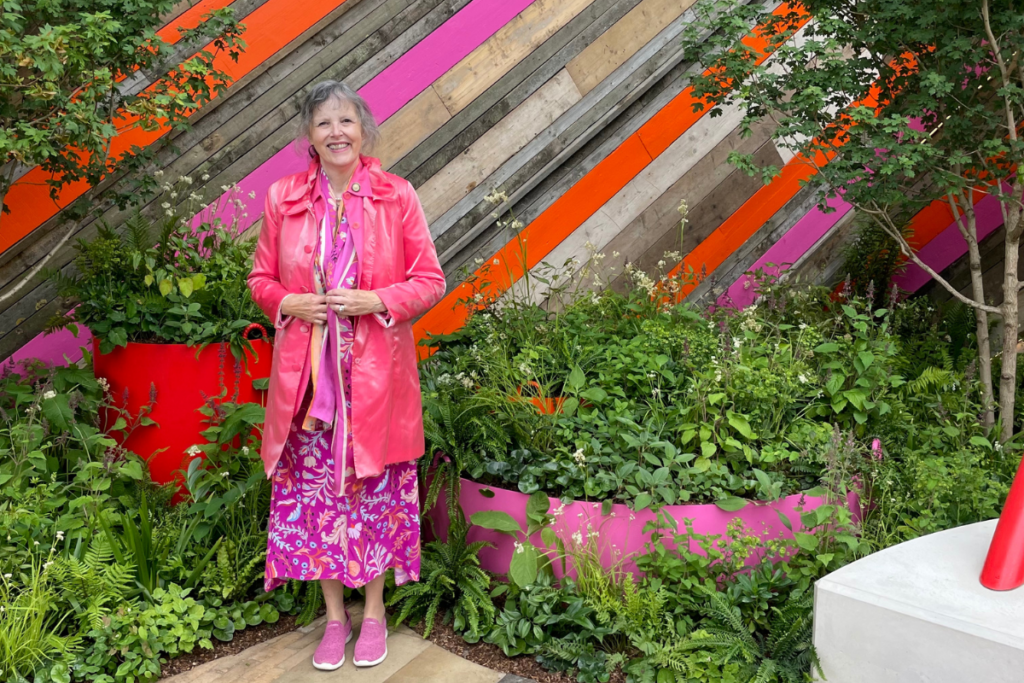
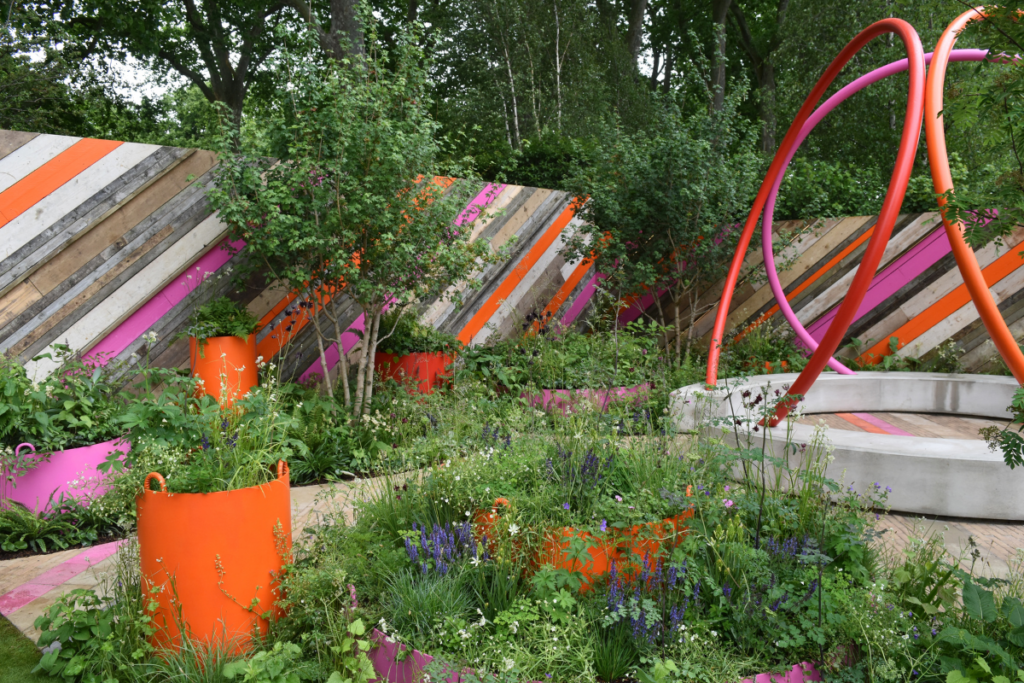
Here is one of my favorite gardens from last year’s show to whet your appetite. Of course, I liked it because of the vibrant pink and orange, but also because it was supporting a good cause—St. Mungo’s urban pocket park.
In The News: Organization Woes
and Lectures
Lectures continue to keep me busy. If you are looking for a speaker for your club or gardening event, please contact me for next year and beyond. I have several future bookings including in 2026. I said to the lovely lady who asked me, how am I going to remember? The next week she mailed me a calendar that went out that far. Thank you for helping to keep me organized.
Speaking of organizing, I have realized that I need someone who loves email and social media to keep me on the straight and narrow. If you know of anyone who might like a part time job as an assistant to a crazy plant lady (that would be me), please have them email me. But without an assistant, the reply may take a while!!!
Plants Of The Month:
The Hardiest of Roses
To quote Helena Rutherfurd Ely, “I shall not say much about roses, because there is so much to say” (page 128). It is a huge topic and, in most gardens, there is only room for a couple of roses, so they better be ones that you love.
How to choose a rose for your garden is extremely difficult. Even after doing my research into the most fragrant, or the best for my climate, I have had some real duds. The roses that survived to bloom reliably year after year are the ones that I love. Since the poor roses get very little care, almost no fertilizer, and no sprays for insects or funguses, these are a tough bunch. Let me know what roses you like. It is always good to compare notes.

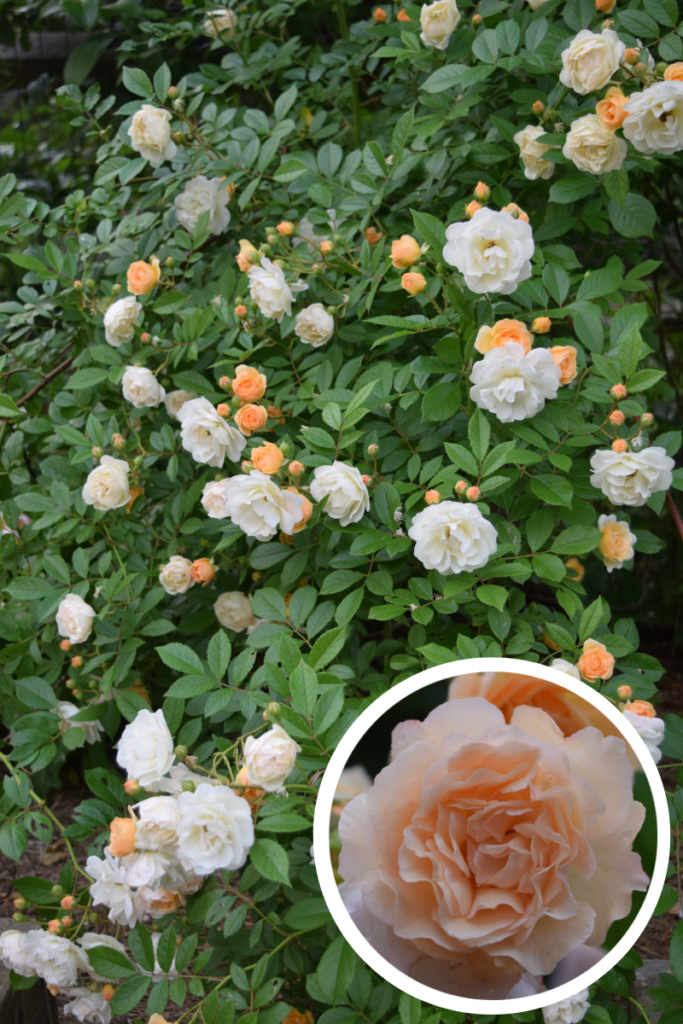
Buff Beauty
Hybrid musk with double apricot blooms that have some repeat later in the year.
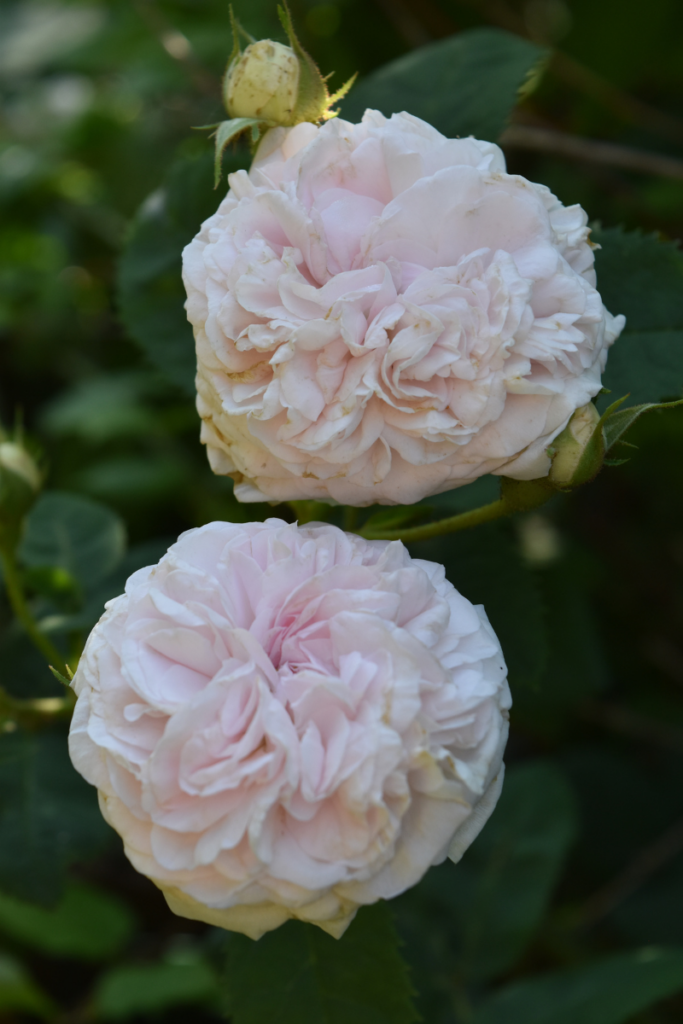
Fantin Latour
This is one of the most fragrant with a tightly packed bud that opens to reveal many petals. It is in the centifolia group, meaning 100 petals.

Ispahan
Damask rose that is one of the earliest to bloom. It has gorgeous pink buds. Fragrant.
Ghislaine de Feligonde
Tall rambler that cascades down from neighboring shrubs. The flowers begin as apricot and change to soft yellow. So many flowers on one plant.
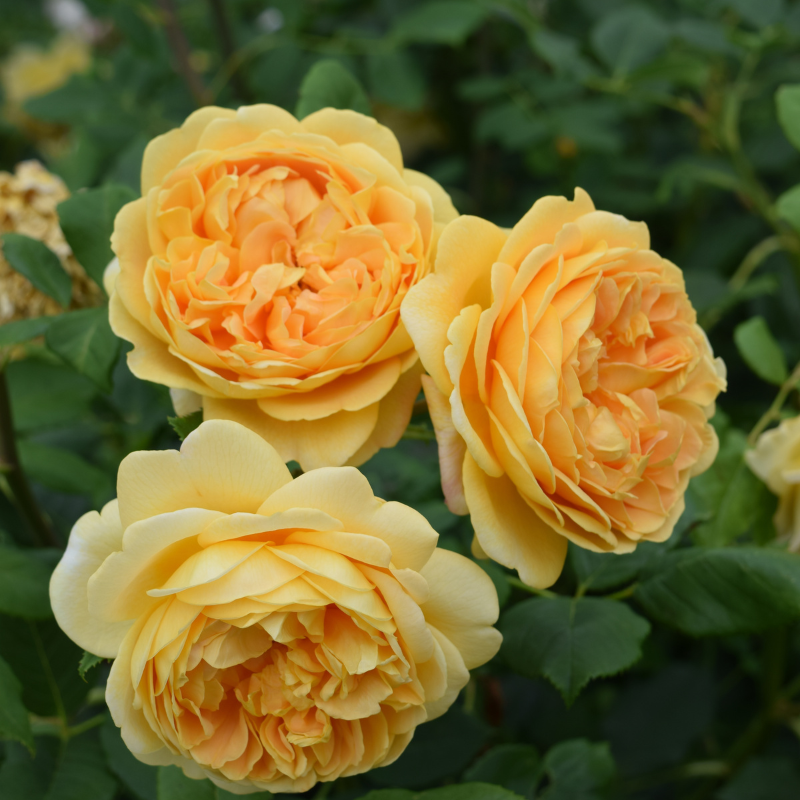
Golden Celebration
David Austin rose. Large really deep yellow blooms that open early in the year. Some repeat bloom.
Book Club: A Woman’s Hardy Garden
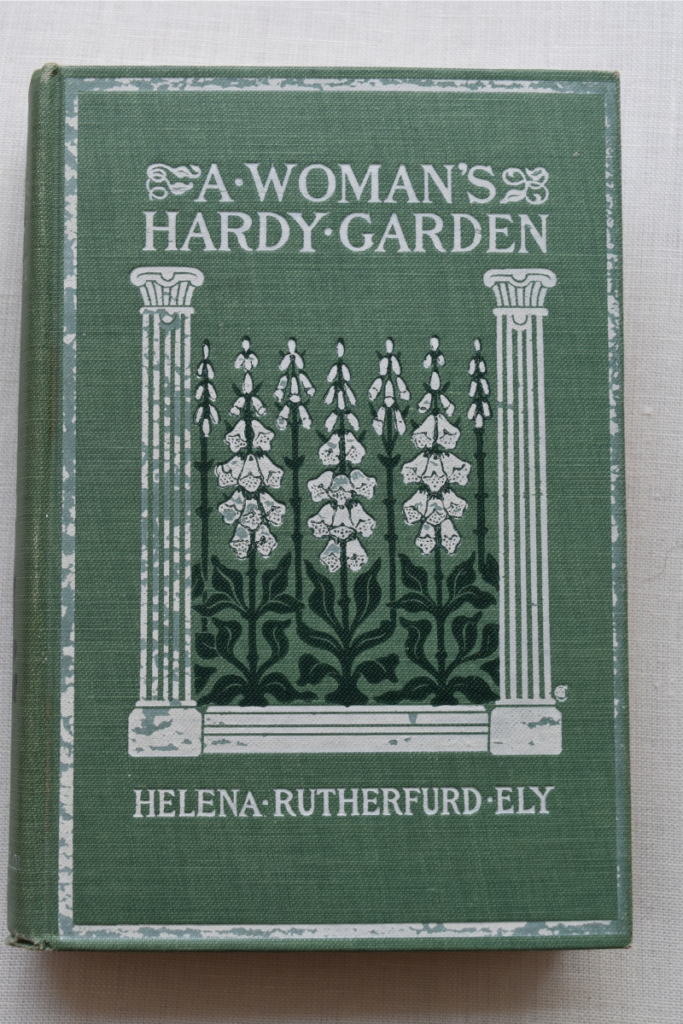
The book that I have chosen this month may not, at first sight, be anything worth reading. However, Helena was a woman ahead of her time in the way that she gardened and in her “go get it” attitude. She knew that she wasn’t a good writer, but her friends encouraged her to write this book, and she did it. Unlike Gertrude Jekyll’s silky prose that flows through your mind like a river, Helena writes like a stop-and-go local train, with rather clunky informational prose.
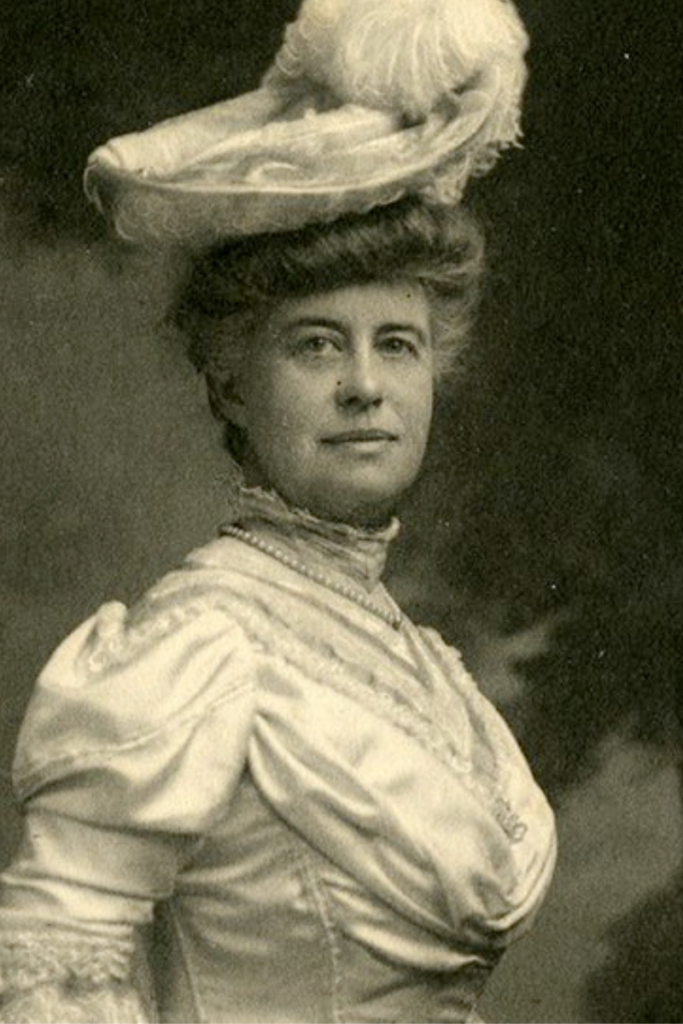
When women in Helena’s social set visited or learned about her garden, they wanted to do something similar in their own gardens and needed to know how to do it. The only other books available were from England, where the climate is different.
Helena went on to become a Vice President of the newly formed Garden Club of America in 1913. (It was founded in Philadelphia by many of my gardening heroines—I am sure I will write about them in a future newsletter).
The writing is of the times and of her class. She was from an affluent family in the late 1800s and early 1900s. Her garden is part private and part of the Meadowburn Farm property in northern New Jersey.
She also spent time in New York City, where she writes of the “poor” and their gardens. Some of Helena’s writing jars in 2023, but to read is often to broaden our understanding. As you follow along with Helena you begin to understand the life and times of a woman and her garden 120 years ago. I find it fascinating. There are a few parts where the ideas of the past do not mesh with our thoughts today, but the book is a historical record as well as being informational.
Back to gardening. Helena was a trendsetter, and everyone wanted to copy her. The previous century’s gardening fashion had been for bedded out annuals arranged in patterns (as we discussed last month with Gertrude Jekyll). Women were leading the movement away from this wasteful and temporary form of gardening towards something more permanent—hardy gardening using perennials.
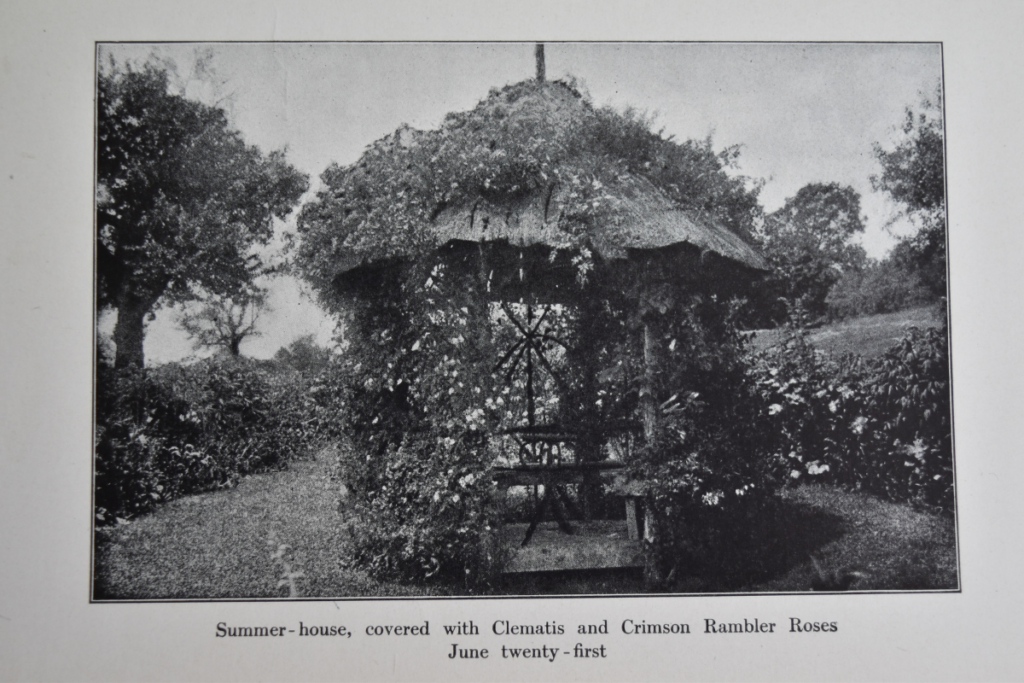
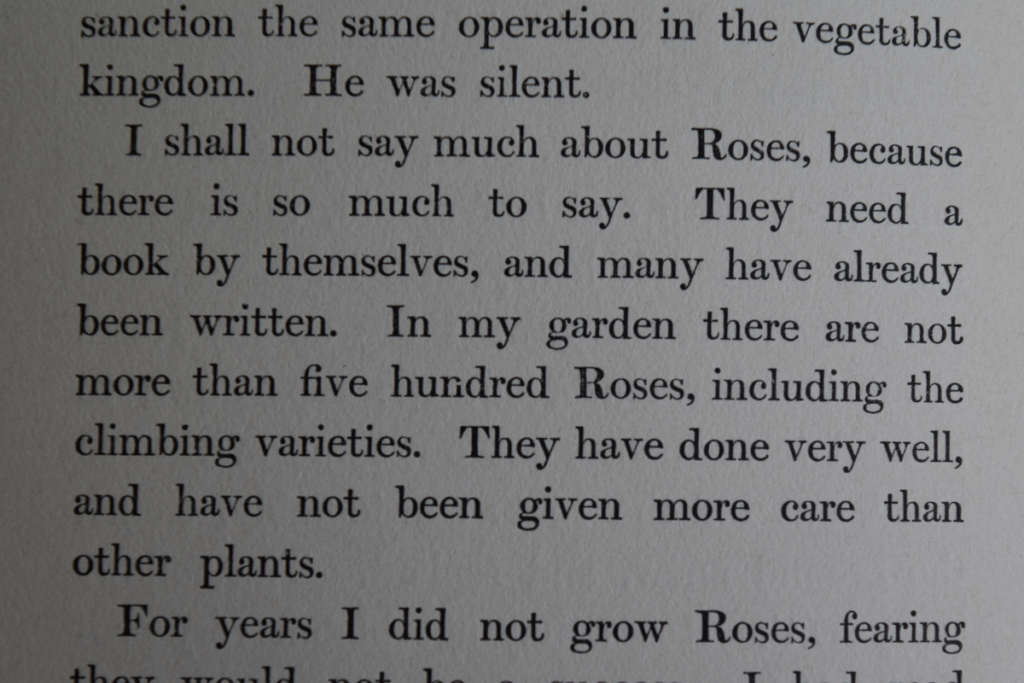
Helena was writing in a different gardening world where perennial plants were difficult to find, there was little real-life information or literature on this topic, and growing a perennial garden as a woman was seen as outside the box of womanly duties. But she was writing specifically for women. She knew her audience. I think that her book title would rank highly in the pre-Google SEO equivalent of over a century ago.
One of the incredible parts of Helen’s experience to me is the scale at which she gardened (with gardeners to help). One of her borders is “two and a half feet wide and three hundred and fifty feet long” (page 69). She states, “in filling a border … the plants should always be set in clumps of from six to twelve of a kind” (page 68). It is gardening on a grand scale.
Helena was a generous gardener and even her generosity was on a vast scale. “One of the greatest pleasures of a garden is giving flowers and plants to your friends” (page 60). I agree. She goes on, “Every October, when arranging the borders and separating plants, I send away great boxes of them …. This year, having made a large new garden, I was able to give to friends and neighbors only seven hundred plants, not seedlings but large plants and roots.” In case you thought that she was being rather mean!
Note: I am not sponsored to promote books found in these newsletters. They are featured because I truly love them.
If you like this newsletter, please tell your gardening friends about it. It is easy to subscribe by contacting me via my website.
If you would like to see photos of my garden at Northview and images of my garden travels, please follow me on Instagram @NorthviewGarden and @JennyRoseCarey
Bye for now,



Leave a Reply