
Green Fingers (Green Thumbs) are a Fact
Growing plants and making a garden are not mysterious things. They are open to everyone who has a ‘verdant heart’. What a fantastic way of expressing the love of green growing things.
Many beginning gardeners think that they do not have green fingers – or as Americans tend to say, “Green Thumbs”. But these Kermit-hued digits are not inherited, they are something that can be developed over time. As Russell Page states, you need ‘knowledge,’ and you also need a ‘love of growing things’. Combine those two attributes and green fingers/thumbs are yours.
So why is there such a mythology that only some people have natural-born gardening talents and others do not? Is gardening perceived as hard to learn and difficult to do? Or is it that so many people have no access to soil or nature? Whatever the barriers – perceived or real – I have a plea to you this summer. If you know a person who would like to garden, but feels intimidated by it – take them under your wing this summer. Go visit a garden together. Let them sit near you while you garden. Have a cup of tea or coffee in your garden together. Be a mentor.
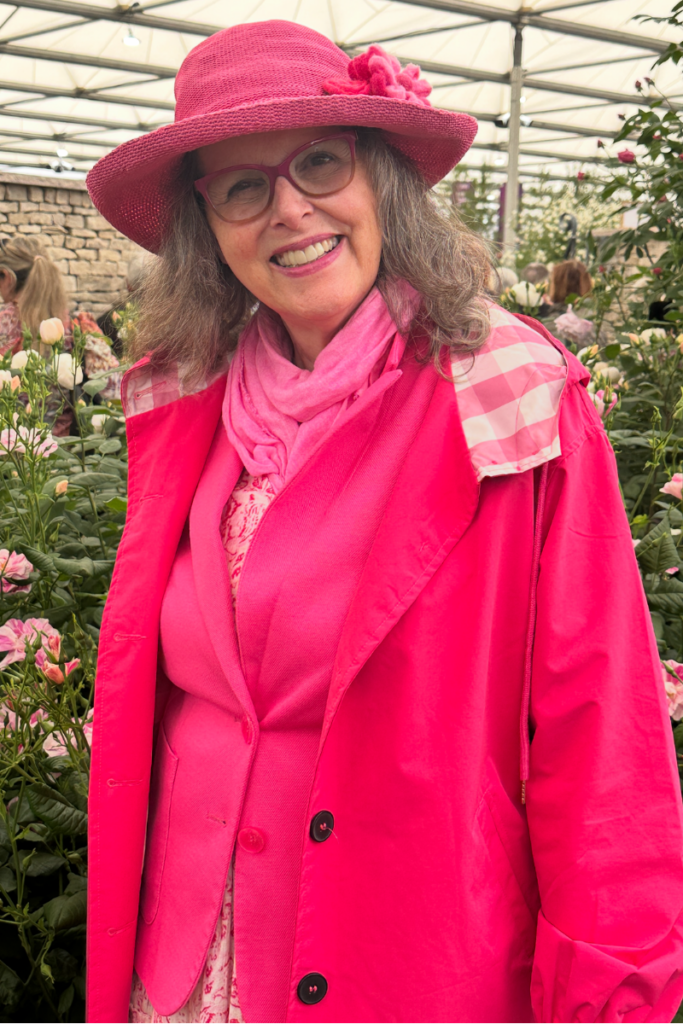
It turns out that most people begin to garden because of another person. It is often a grandparent, an older relative, or a neighbor. If you feel joy, peace, solace, health, mindfulness, happiness, or relaxed when you garden, find someone to share that passion with. They could be your age, or a generation or two younger than you. It matters not. Gardening is best when shared.
Speaking of green fingers, I just looked down at mine, and they are green and mucky – even after a super hand wash. Unfortunately, my gloves do not stay on my hands. I just take them off to do a delicate task, and there they stay on the side of the compost heap, or on the ground–unworn and unused. These are not the green fingers that Russell was writing about, but maybe they are a badge of honor to be worn proudly on the way to being internally green-fingered in my verdant heart.
Help Jenny Rose Paint the Country Pink

Please check out my main website – jennyrosecarey.com. This month we have added a USA Map. The States where I have lectured are colored in Pink. If you belong to a group in a Grey State, please consider inviting me to speak and help me to color the whole map in Pink.
I have also spoken in Toronto and Montreal in Canada, Bermuda, The Netherlands, Belgium, and, of course, parts of the UK – but I am happy to come and lecture for your group wherever you live.
The 2026 Chelsea Flower Show
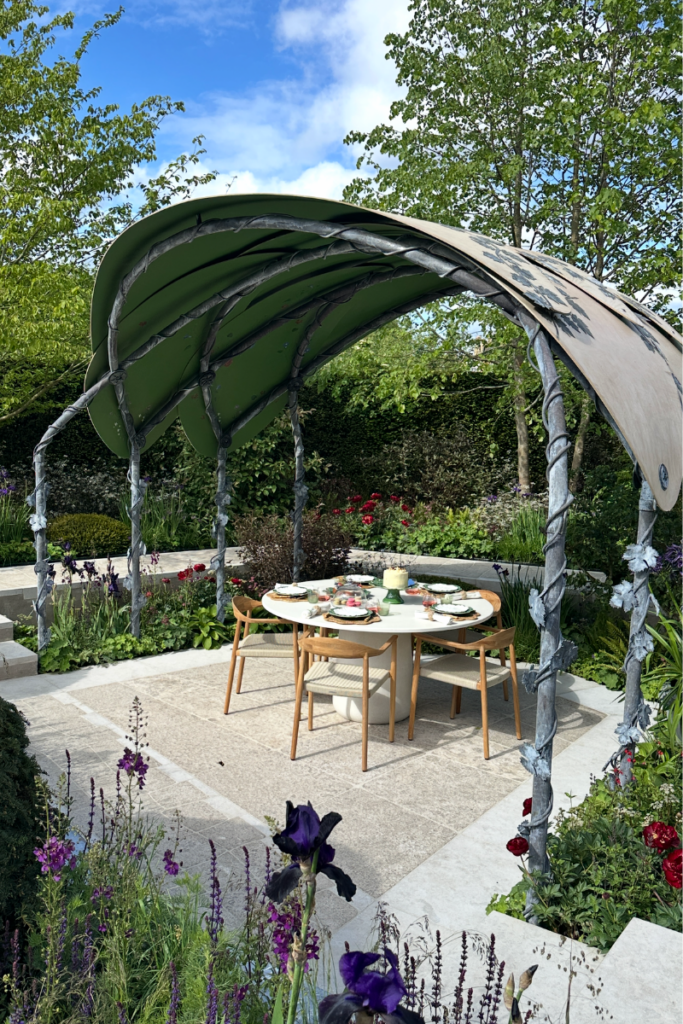
The Blog this month features the Chelsea Flower Show in London, 2026. Learn what I thought of the show and see photos of my favorite exhibits.
This article and more are on my blog – BeforeYouGarden.com
Check out all of the articles about gardens, gardening, books, flowers, and more.
Plant of the Month: Bee Balm
The plant of the month is a garden and cut-flower stalwart. Bee balm features highly in my Herb Garden in a variety of colors. Red is my go-to to give the fireworks effect to my July 4th arrangements. Pink is always a favorite.

Bee balm is a great flower for pollinators, including hummingbirds, butterflies, and, obviously from the name, bees. To grow bee balm well, the plants need soil that is high in organic matter with even moisture, especially in the spring and early summer. That is when the plants put on about three feet of growth in a month or six weeks. Plant them in a position with at least 4 to 6 hours of direct sunlight. A little afternoon shade will prevent them from drying out in the late-day sun.
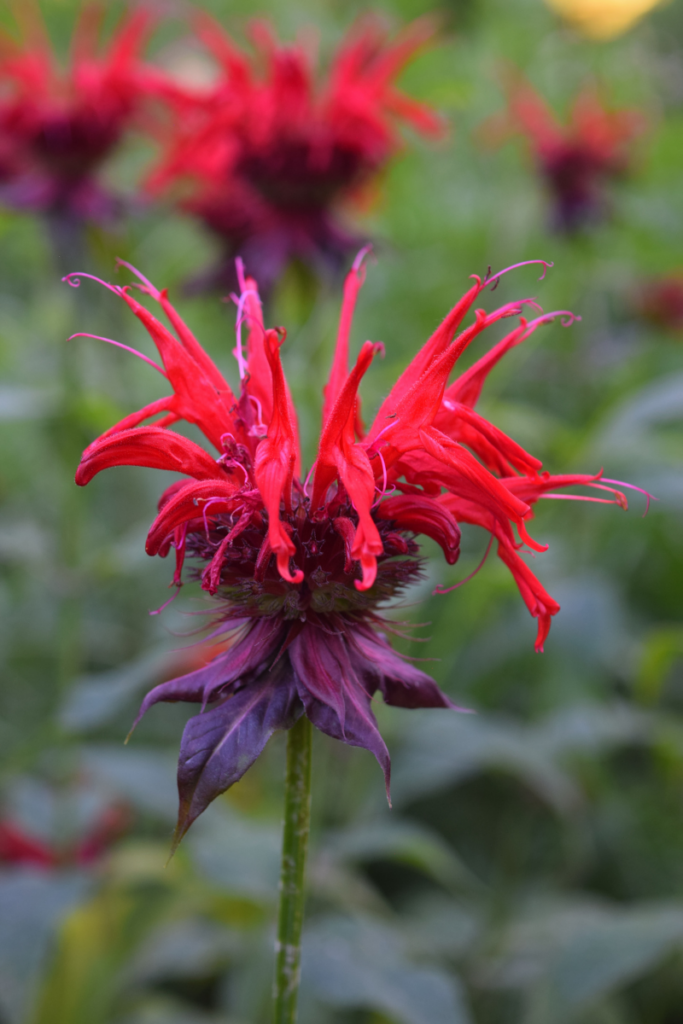
Bee balm is easy to divide to make new plants. The easiest time is early in the spring as they are emerging from the soil, but I have had luck whenever I accidentally pull out an extra piece with roots attached. The plants occasionally get powdery mildew on their leaves, but it doesn’t seem to harm them. Pile on the compost or leaf mold and keep the plant watered when actively growing. After bloom, you can cut the old flowerhead off or just leave it.
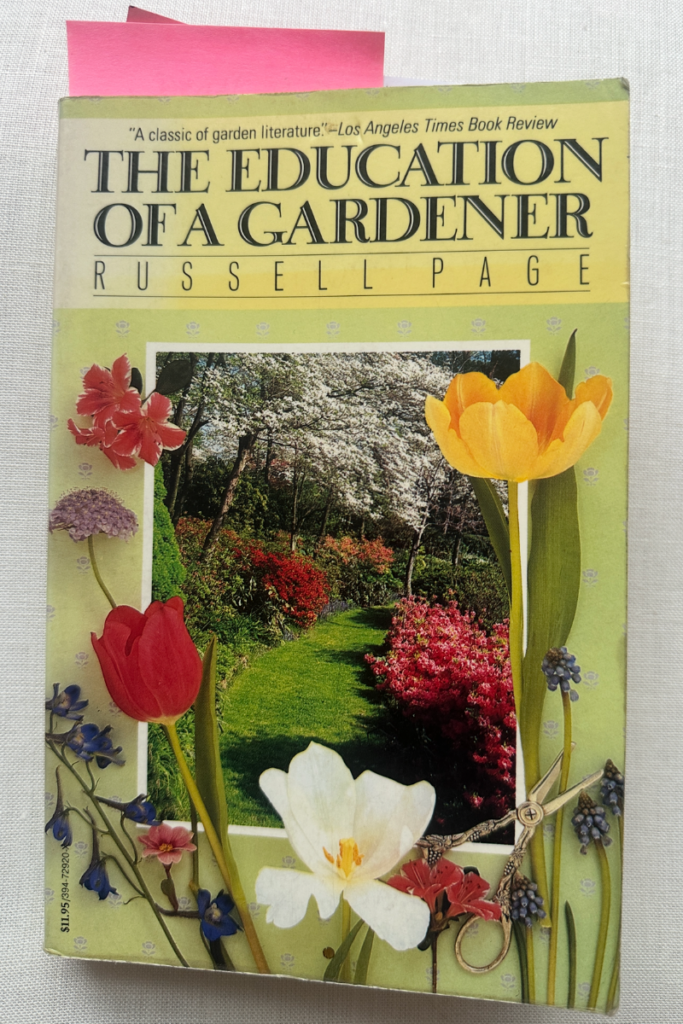
The Education of a Gardener, like David’s paintings, appeals to a wide cross-section of people. Artists, gardeners, landscape architects, designers, and other creatives all read it. It was widely referenced in conversations and mentioned in books and articles. It is cited as an inspiration by many who followed in his footsteps during the later part of the 20th Century.
Russell was a garden designer who was also a plantsperson. He came to the love of gardens through growing plants himself, and then installing gardens in his teens. He became sought-after to design gardens across the world.
His book was originally published in 1962, when Britain was still reeling after World War II. In the book, Russell describes that all his plans, photographs, books, and papers ‘went up in flames in the first London Blitz.’ After the war, Russell continued to meet the most amazing people and design their gardens. Just the Introduction alone is a Who’s Who of important people in England in the early 20th Century.
Russell’s first chapter is called ‘In search of style’, and he was certainly a stylistic leader, which led to the book having a wide audience. The next chapter tackles composition and design with clear directness that is refreshing to read. The book continues with sites and themes and continues with practical planting advice for trees, shrubs, and flowers.
I can only think of one garden that I have visited that was designed by him, because most of them seem to be in private hands. My memories are of lots of green, pleached hedges and allées, and then a separate vegetable and cutting garden with flowers. It was a long time ago and if I have any photos, they will be the old 35mm slides that are still packed away in dusty boxes – so no images.
My second edition of Russell’s book is from the 1980s. It was some rather terrible black and white photos that only work when they show distant scenes with a clean expanse of water and outbuildings. They fail dismally when showing black and white tulips against a grey wall. His wonderful words will instead be our guide, paired with the visual images that we can conjure up in our heads. This is a book that I would highly recommend if you want to improve your garden.
If you like this newsletter, please tell your gardening friends about it. It is easy to subscribe to by contacting me via my website.
If you would like to see photos of my garden at Northview and images of my garden travels, please follow me on Instagram @NorthviewGarden and @JennyRoseCarey
Bye for now,

Want More? Check Out My Books!
While shady areas can be a challenging area for gardeners, Glorious Shade shows you how to make the most of it by helping you chose the right plants for the space and sharing key designing and maintenance tips.
The Ultimate Flower Gardener’s Guide gives gardeners the confidence needed to create the flower-filled garden of their dreams. Instead of concentrating primarily on color, it brings flower shape and texture to the fore, helping homeowners to create cohesive, yet unique, flower gardens.
The Essential Guide to Bulbs is a gorgeously photographed, comprehensive, and inviting resource. While many gardeners may be familiar with the early show of spring bulbs, there are so many more to choose from that provide three-season color, drama, and spontaneity in the garden.
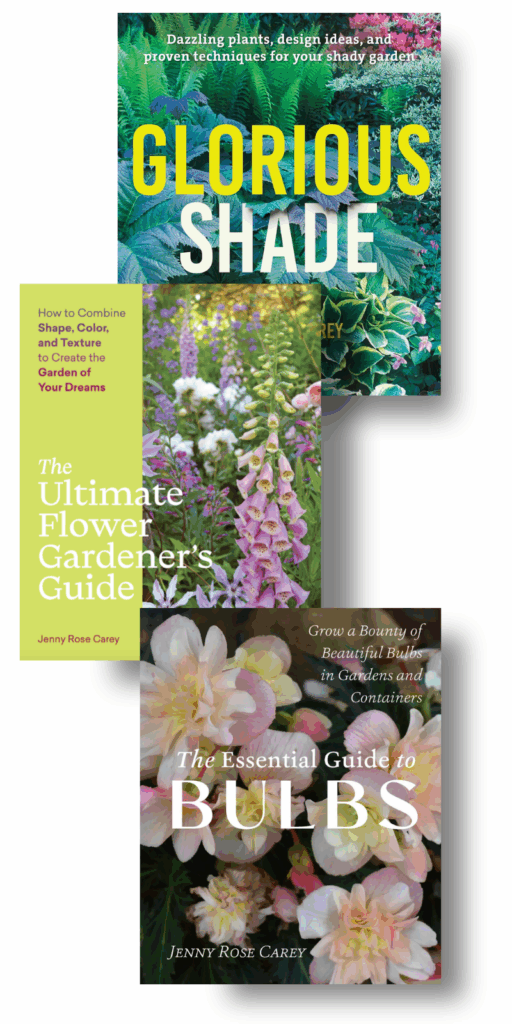
Not only are these books an excellent addition to your gardening book collection, I personally sign every book purchased directly from my website as a special thank you.


Leave a Reply