
Connecting to the Past – Through Plants!
Our quote at the top of this newsletter was written over 75 years ago by Louise B. Fisher, who was one of the early flower arrangers at Colonial Williamsburg in Virginia. I love the way that she thinks about certain plants and flowers as touchstones that link us to the past.
As we celebrate the winter holidays, there is often a need for some arrangements – just when there are not many flowers in the garden. We often think about using evergreens, but there is another option, and Louise has plenty of suggestions.
The other source of plants for winter decorations in the house are dried flowers. Louise wrote about how to use summer blooming annuals by drying them. She calls them the “everlastings”. Her favorites are “Pearly everlastings, globe amaranths, and strawflowers.” Growing up in England in the 1970s, we had these flowers in our winter living room, so I was a bit dismissive when my gardener, Hanna, suggested growing more of these a few years ago. However, she was right, dried flowers have definitely made a comeback. I wrote all about it below.
The Essential Guide to Bulbs
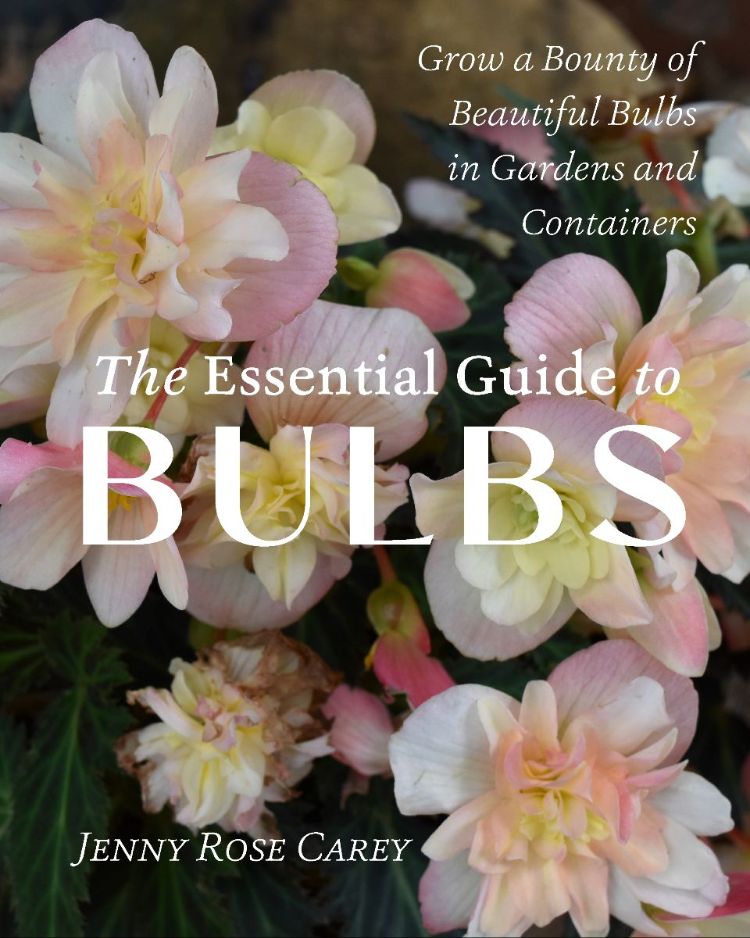
My new bulb book, The Essential Guide to Bulbs, is getting a wonderful reception. Please consider buying it for someone as a holiday gift. If you would like a lecture on this topic, please email me, and my lovely assistant, Helene, will help make arrangements.
Reader’s Question: Is it too late to plant spring bulbs in December?
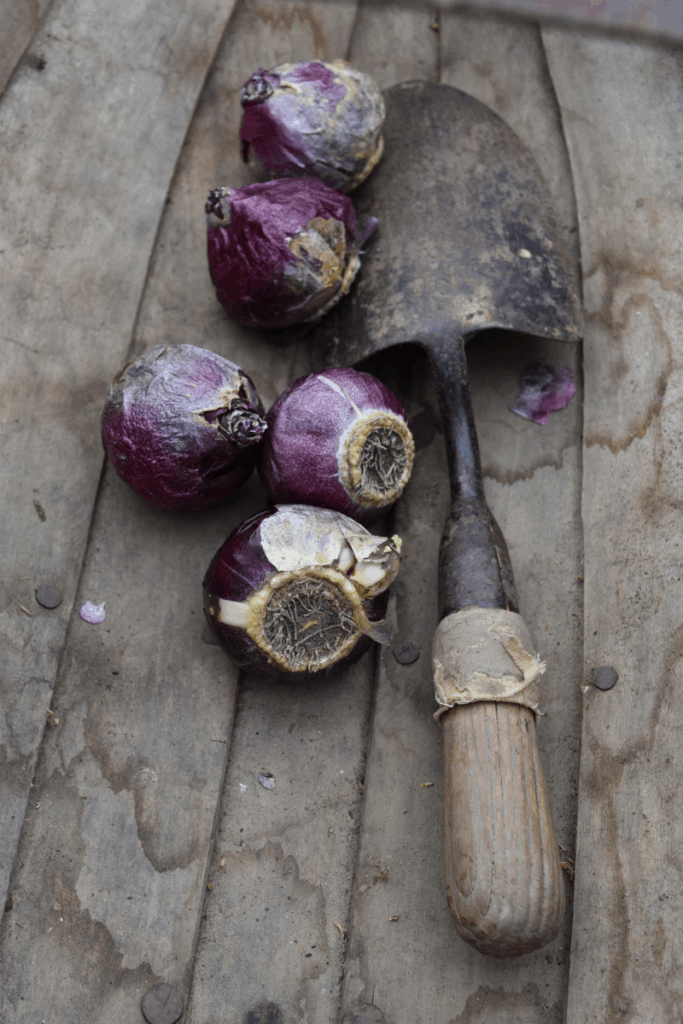
I have had a couple of bulb questions this month. One reader asked whether it was too late to plant spring bulbs in December? The answer depends on where you live. In cold areas, you can plant the bulbs as long as you can get a sharp shovel into the ground. In fact, for tulips, it is often best to plant late in the year. You don’t want them to begin growing until spring. Dig a deep hole, at least 8 inches, for your tulips. If the soil at the top is frozen, get a bag of soil from the store and keep it in a warm area. Use that to fill the hole back in rather than the frozen soil outside.
Please feel free to send me a photo and ask a question to be included in a future email newsletter. I will just use your first name and state or country. Keep those questions coming.
Before You Garden
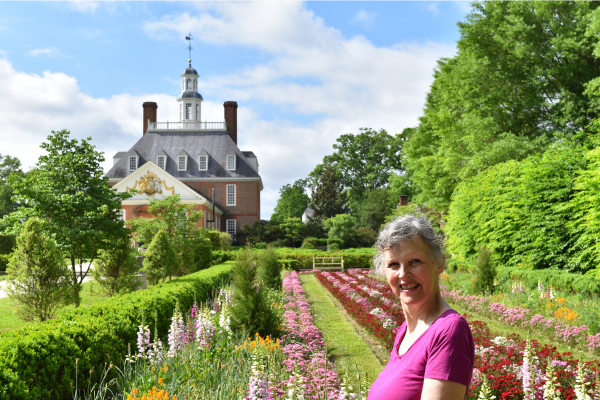
We take a break from English Gardens this month to look at the wonderful gardens at Colonial Williamsburg. I share my favorite images of gardens and flowers.
Northview’s Top Three
Everlasting Flowers
If you would like some dried flowers to decorate your house next December, plan ahead. Here at Northview, we grow the everlasting flowers from seed because they are rarely offered as small plants in the spring. Look in the seed catalogs for these treasures, find your favorites, and order soon.
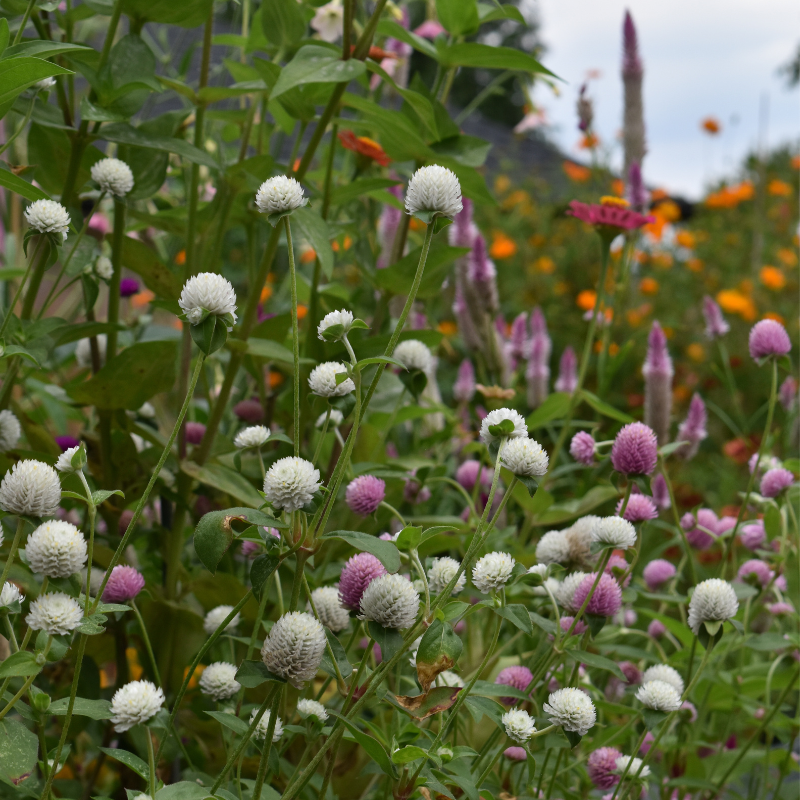
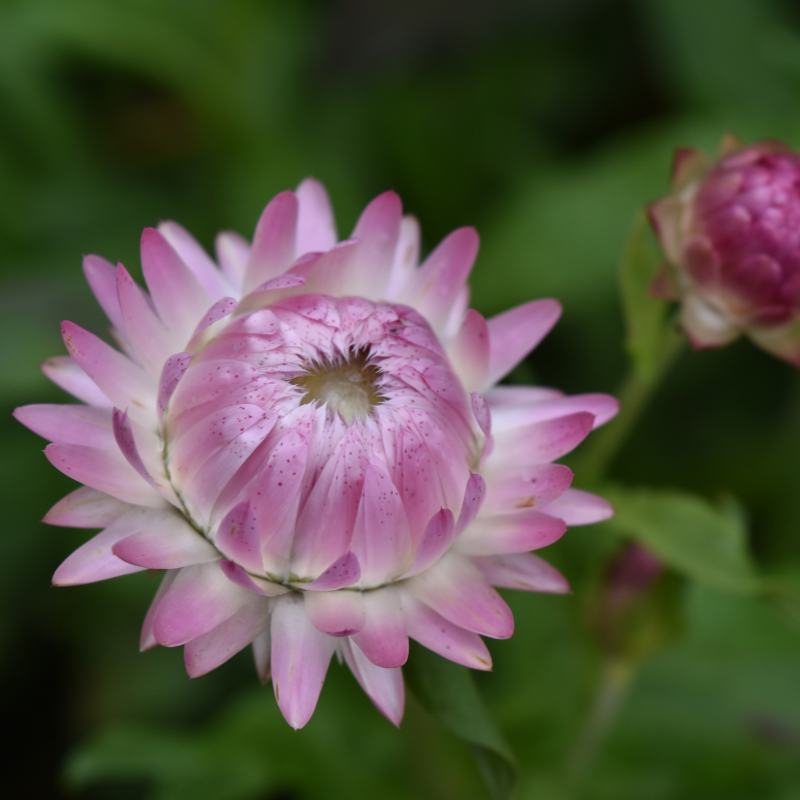
Globe Amaranth and Strawflower are half-hardy, or warm-season annuals. Sow the seed in seed trays about 8 weeks before the first frost. The baby seedlings can be moved outside after the spring soil has warmed up. Plant them in a flower bed that receives full sun. Once the plants have grown, cut the flowering stems before the flowers have fully opened. They will continue to open once picked (especially straw flowers). Tie the stems together in small bundles with an elastic band. Hang them in a cool, dry area to dry.
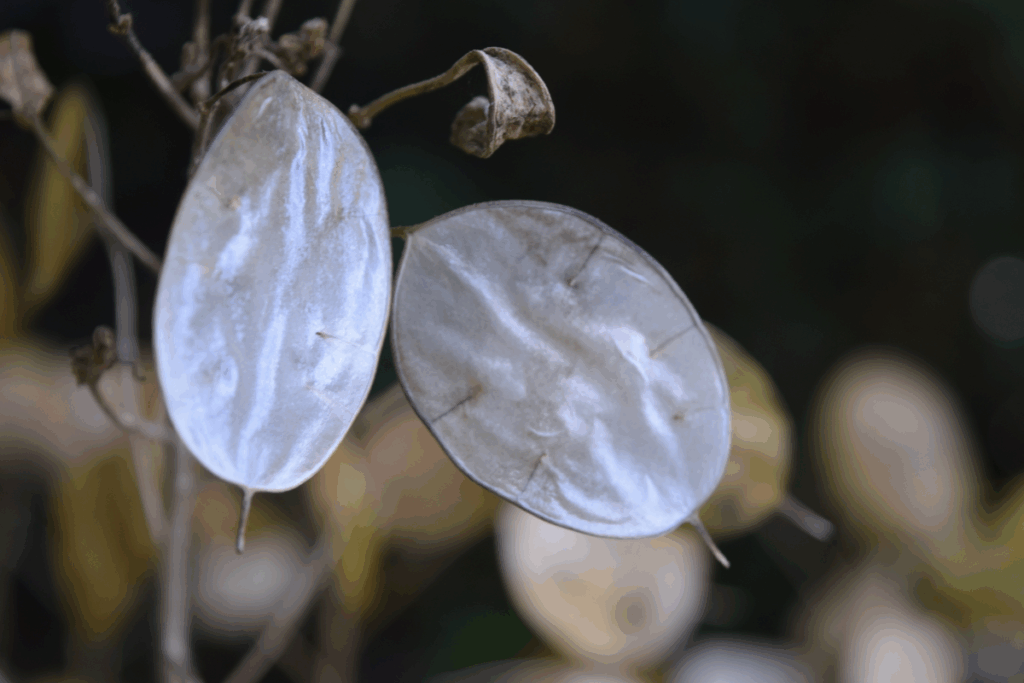
The Silver Dollar (US), or Honesty (UK common name) plant is different. This is a biennial plant. The seeds are sown outdoors in early summer. The seeds germinate and grow into small plants that overwinter outside. Early the following spring, they quickly develop and bloom with four-petalled flowers.
Somehow, these flowers morph and develop into flat seed pods that contain a shiny inner oval, resembling the silver dollar of its American common name. These stems are cut, dried, and used to make indoor arrangements.
Louise suggests using sand in the bottom of the container to hold up the stems in an everlasting flower arrangement. This an old-fashioned method and is a useful way to support the somewhat fragile dried stems. She also reminds us to get rid of the dried arrangements when spring arrives, and fresh flowers are once again available. I certainly approve of this, as a contrast to the somewhat sad, dusty dried flowers that linger in my kitchen!
Book of the Month:
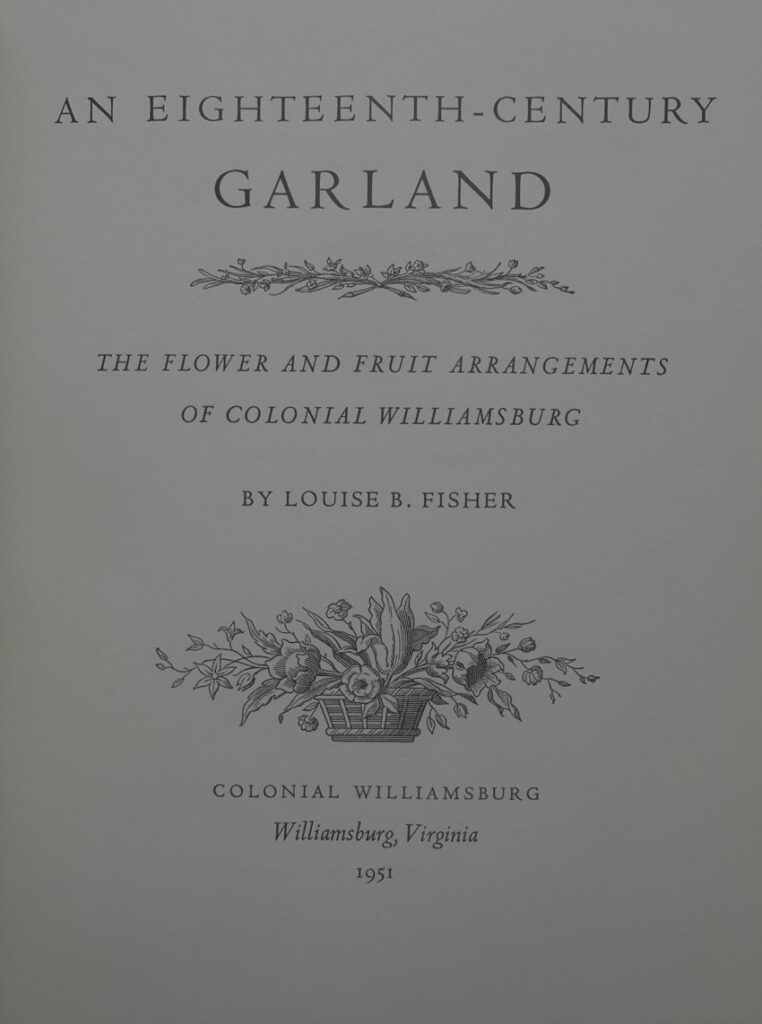
An Eighteenth-Century Garland, by Louise B. Fisher, Colonial Williamsburg, 1951
An Eighteenth Century Garland is a snapshot in time that describes mid 20th Century flower arranging at Colonial Williamsburg. In this book, Louise B. Fisher describes her historical interpretation of floral designs from the 1700s. Not much was known about this idea when she began to arrange in this style, so Louise’s account is fascinating.
In 1932, Louise began a job as a hostess at the newly opened Raleigh Tavern, which was the only exhibition building at Colonial Williamsburg that had opened to the public. As she explains, “To give the building a natural, lived-in appearance, flowers were arranged in several of the rooms. I had not been at my duties long when I was asked to take over the responsibility for these arrangements.”
She continues, “It was not until visitors questioned the use of certain plant material that I realized the arrangements should include only those wild and cultivated flowers that were available in the eighteenth century. It came as a surprise when I was asked why we were using grapefruit in a colonial setting when the fruit was unknown to the colonists… Questions such as these not only aroused my curiosity but became a challenge.”
Louise researched the style of flowers in houses from two centuries before. She used flower prints, paintings, books, and contemporary written descriptions to decide what would have been used at the time. As she said, “The question of which flowers could properly be included in them, became mine.” She used her new-found knowledge to create displays in the historic houses as they gradually opened.

Louise’s interpretation of old ways of flower arranging was as accurate as it could be at the time, and groundbreaking because the studies were so new. Today, some scholars look back at the arrangements and think that they may have been rather elaborate for the eighteenth century. However, twentieth century visitors certainly appreciated the flowers in the restored and recreated rooms of the houses and taverns. This way of arranging even has its own name – the Williamsburg Style.
Louise realized that colonists would have used “wild native plants” and gathered them from the Colonial Williamsburg woods. She also started a cutting garden where she tried to grow the identical varieties that were grown in the eighteenth century. Louise knew that many original types of flowers had disappeared from cultivation. She said that she chose “varieties which we believe most nearly resemble the flowers cultivated in colonial days.” She loved double nasturtiums, parrot tulips, and the double larkspur that were similar to the flowers of the past.
The native plants that she recommended gathering and drying for winter use included joe-pye weed and goldenrod that have been “harvested in their prime.” Another useful winter arranging trick that she described was to collect ferns and tree branches, lay them flat between papers, and press them using weights. They could then be used in arrangements when they were fully dry.
For containers, Louise describes the Delft bricks, posy holders, vases, and bowls that were either antiques or reproductions. They were made of pottery, china, glass, metal, or wood. To hold the stems in place, she used a simple “heavy criss-cross square flower holder for shallow bowls.”
We close out the year with Louise’s description of using “Winter’s Pleasant Ornaments” as she arranges her “dried bouquets” and her “added pleasure from remembering how long they will last.” I hope that you think of satisfying ways to decorate your house for the holidays and maybe grow some flowers for drying next year.
In Case You Were Gardening…
Notes From English Country Gardens – November 13, 2025
4 Easy to Grow Cutting Flowers from Seed – Posted March 5, 2025
A Quartet of Flower Histories for Winter Reading – Posted January 7, 2025
If you like this newsletter, please tell your gardening friends about it. It is easy to subscribe by contacting me via my website.
If you would like to see photos of my garden at Northview and images of my garden travels, please follow me on Instagram @NorthviewGarden and @JennyRoseCarey
Make sure to get outside whatever the weather (despite the short days).
Cheers,

Want More? Check Out My Books!
While shady areas can be a challenging area for gardeners, Glorious Shade shows you how to make the most of it by helping you chose the right plants for the space and sharing key designing and maintenance tips.
The Ultimate Flower Gardener’s Guide gives gardeners the confidence needed to create the flower-filled garden of their dreams. Instead of concentrating primarily on color, it brings flower shape and texture to the fore, helping homeowners to create cohesive, yet unique, flower gardens.
The Essential Guide to Bulbs is a gorgeously photographed, comprehensive, and inviting resource. While many gardeners may be familiar with the early show of spring bulbs, there are so many more to choose from that provide three-season color, drama, and spontaneity in the garden.
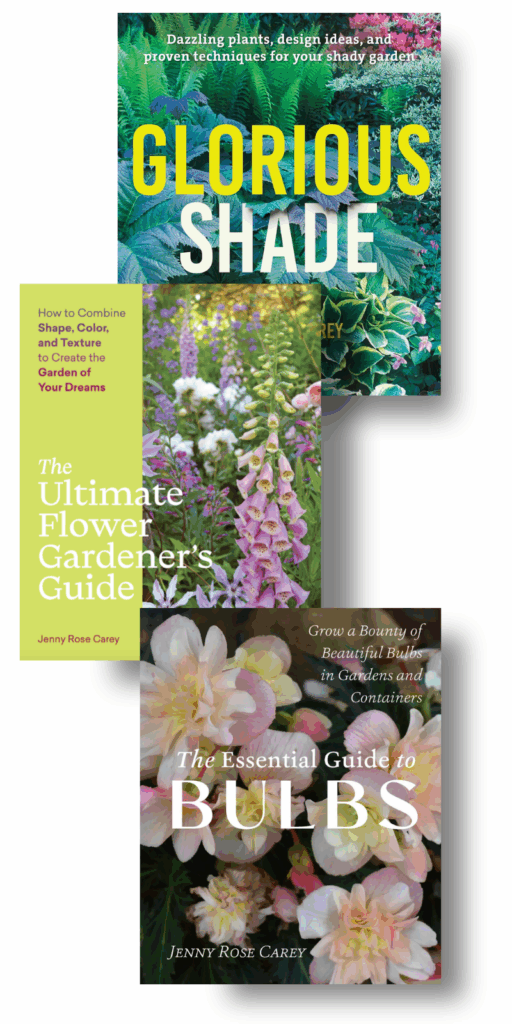
Not only are these books an excellent addition to your gardening book collection, I personally sign every book purchased directly from my website as a special thank you.


Leave a Reply